

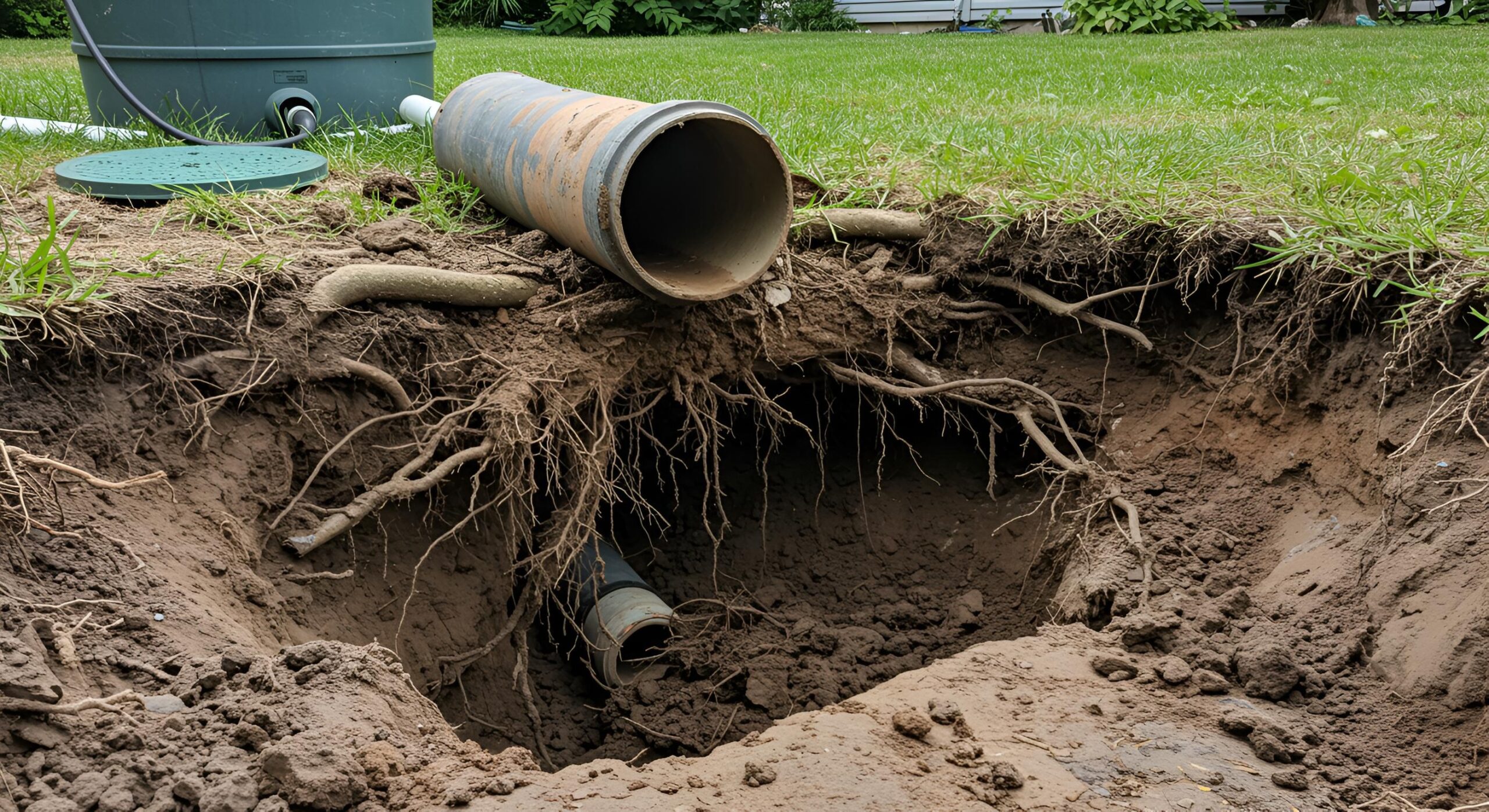
How Tree Roots Can Damage Your Septic Lines — And What to Do About It
Septic systems are built tough — designed to discreetly and efficiently treat household wastewater underground. However, there’s one natural threat that your septic system simply wasn’t designed to withstand: tree roots. What may look like harmless landscaping can spell disaster for your septic lines, costing you thousands in repairs and causing major disruptions to your home life.
In this post, we’ll explain how tree roots damage septic systems, what signs to watch for, and the steps you can take to protect your system.
How Tree Roots Find and Invade Septic Pipes
Tree roots are constantly searching for moisture and nutrients. For this reason, they naturally gravitate toward wetlands, water lines, and — you guessed it — septic systems. Once roots detect moisture in your sewer lines or drain field, they begin to grow toward and eventually into these pipes.
Septic lines are typically made of concrete, clay, PVC, or corrugated plastic. Even the smallest joint gaps or hairline cracks are enough for roots to invade. Once inside, roots can:
- Expand inside the pipe and crack or crush the material
- Create blockages and restrict wastewater flow
- Pull pipes out of alignment as roots thicken and spread
- Damage the drain field’s soil absorption ability by clogging the soil pores
This isn’t just theoretical — tree root intrusion is one of the most common causes of septic line failure in residential systems.
Common Signs of Tree Root Damage
Knowing the warning signs of root intrusion can help you catch problems early. Watch for:
- Slow Drains or Frequent Clogs
If sinks, toilets, or tubs are draining slowly, or you’re constantly plunging toilets, this could be an early sign roots infiltrating sewer lines.
- Gurgling Sounds
Strange noises coming from your drains may indicate an obstruction in the pipes.
- Sewage Backups
This is the most obvious and troubling sign. Backups often happen when roots restrict the flow of wastewater enough that it reverses direction and enters your home.
- Spongy or Lush Spots in the Yard
Roots can damage the drain field. Areas where wastewater is surfacing may be greener, spongy, or emit unpleasant odors.
- Sinkholes or Sunken Ground
As roots disrupt soil and septic components shift, you may notice depressions forming over time.
If you notice any of these symptoms, don’t ignore them. A small root problem can turn into a major septic emergency.
What You Can Do to Protect Your Septic System
There are several proactive steps homeowners can take to minimize the risk of root intrusion:
- Be Strategic with Landscaping
When planting trees or shrubs, choose locations at least 20–30 feet away from your septic tank and drain field. Fast-growing species with aggressive roots — like willows, maples, and poplars — are especially risky near septic components.
- Know Your Septic System Layout
Understanding exactly where your tank, lines, and drain field are located can help you avoid planting in dangerous zones. If you don’t know the layout, we can help map it for you.
- Schedule Regular Inspections
Routine follow-ups by a septic professional allow early detection of issues before they become costly problems. A simple camera inspection can reveal root invasion long before symptoms appear at the surface.
- Septic Line Maintenance
In some cases, root barriers or safe chemical treatments can be applied to discourage root growth near septic lines — but these should always be handled by a professional.
When You Need Professional Help
If tree roots have already entered your septic system, professional intervention is essential. At Colson’s Septic Services, we offer:
- Septic line inspection and diagnosis
- High-pressure water jetting (hydro jetting)
- Root removal and pipe repair
- System mapping and preventative maintenance
Attempting DIY fixes like harsh chemicals or digging near septic components can make the problem worse, damage pipes, or harm your soil biology.
Conclusion
Tree roots are persistent and powerful — and when they find your septic system, they won’t stop until they’ve caused damage. But with the right knowledge and proactive maintenance, you can protect your lines and avoid costly repairs.
Don’t wait for a backup to call for help. Contact Colson’s Septic Services today to schedule your septic inspection or learn more about protecting your septic system from tree roots.