

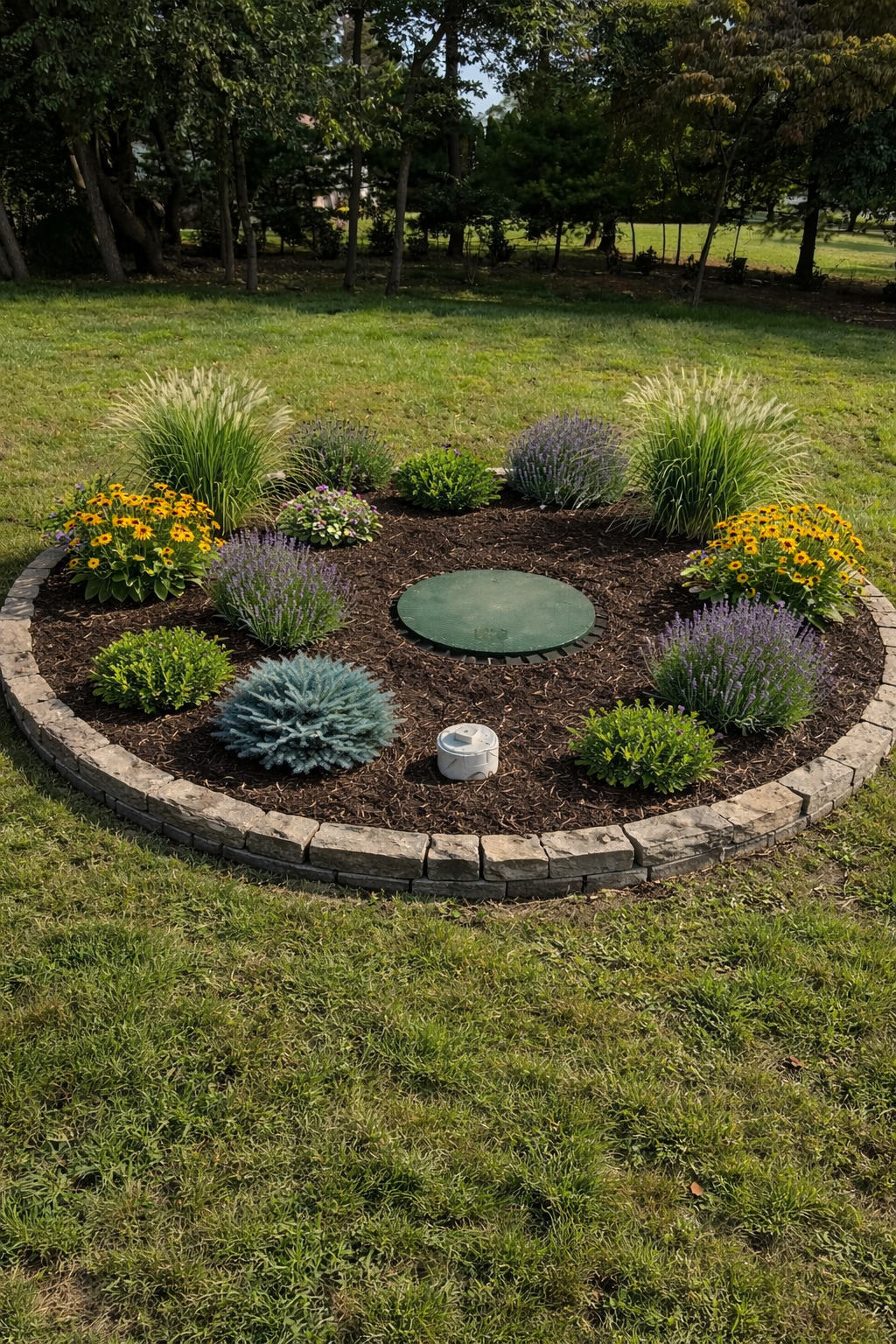
How Landscaping Affects Your Septic System Health
When homeowners think about landscaping, they usually focus on curb appeal, property value, and outdoor enjoyment. However, if your home relies on a septic system, your landscaping choices play a critical role in its long-term health and performance.
At Colson’s Septic Services, we’ve seen firsthand how improper landscaping can lead to costly repairs, system failures, and unnecessary headaches. The good news? With the right approach, you can maintain a beautiful yard while protecting your septic system.
Why Landscaping Matters for Your Septic System
Your septic system—especially the drain field—relies on a delicate balance of soil, bacteria, oxygen, and water to function properly. Anything that disrupts this balance can reduce efficiency or even cause failure.
Poor landscaping decisions can:
- Compact the soil and block proper drainage
- Introduce invasive roots that damage pipes
- Trap excess moisture and flood the system
- Limit access for maintenance and inspections
Even something as simple as planting the wrong shrub or parking a vehicle in the wrong spot can create long-term issues.
Best Practices for Septic-Safe Landscaping
- Choose the Right Plants
The safest and most effective landscaping choice for septic areas is shallow-rooted vegetation. Grass is often the best option because it helps prevent erosion and absorbs excess moisture without damaging pipes.
Other good options include:
- Native grasses
- Perennials like daylilies or lavender
- Ground covers such as creeping thyme
These plants typically require less water and have root systems that won’t interfere with underground components.
- Avoid Trees and Large Shrubs
Trees and large shrubs are one of the biggest threats to septic systems. Their roots naturally seek out moisture—and your septic pipes are a prime target.
Deep or aggressive root systems can:
- Crack or clog pipes
- Disrupt the drain field
- Cause sewage backups
As a rule of thumb, keep trees at least 20–50 feet away from your septic system, depending on the species.
- Don’t Add Heavy Structures
Installing patios, decks, sheds, or driveways over your septic system is a major mistake. These structures:
- Compress the soil
- Restrict airflow needed for treatment
- Risk crushing pipes beneath the surface
Your drain field should remain open, breathable, and easily accessible.
- Manage Water Carefully
Too much water is just as harmful as too little. Overwatering or directing runoff toward your septic area can saturate the soil and prevent proper filtration.
Best practices include:
- Using drought-tolerant plants
- Installing proper drainage away from the system
- Avoiding irrigation systems over the drain field
Keeping moisture levels balanced helps your system function efficiently.
- Prevent Soil Compaction
Driving or parking vehicles on your septic area can compress the soil and damage underground components. Even frequent foot traffic in certain conditions can contribute to compaction.
Compacted soil reduces the system’s ability to filter wastewater effectively, leading to pooling or backups.
- Maintain Easy Access
Your septic system requires routine inspections and pumping. Landscaping should never block access to:
- Tank lids
- Inspection ports
- Drain field areas
Avoid excessive decorative features that make maintenance more difficult or expensive.
What to Avoid Altogether
To protect your septic system, steer clear of:
- Vegetable gardens (risk of contamination)
- Water features like ponds or fountains
- Raised garden beds or excessive soil layering
- Plastic barriers, gravel, or impermeable materials
These can interfere with the natural treatment process and lead to system failure.
A Healthy Yard Starts Below the Surface
A well-designed landscape doesn’t just look good—it supports the systems that keep your home running. By making smart choices around your septic system, you can avoid costly repairs and extend its lifespan for years to come.
At Colson’s Septic Services, we’re here to help homeowners protect their investment with expert guidance, inspections, and maintenance. If you’re unsure about your septic layout or planning a landscaping project, reach out to our team before you dig.
Your yard and your septic system can work together—you just need the right plan.